COMPARATIVE EFFECTIVENESS OF SILICEA 6X AND CONVENTIONAL METHOD ON THE DEVELOPMENT AND VIGOR OF MARIGOLD (TAGETES ERECTA) PLANTS
Under the Guidance of: Dr. Ashwini Aher ,Dr. Subhash Yadav,
Dr.Vishal Nimbhore, Dr. Kirti. Kadam, Dr. Vishal Jain, Dr. Asha Bhosale, Dr.Snehalata Patil
Rohit Bagul, Ishwari Indulkar, Payal Vyas
Motiwala Homoeopathic Medical College & Hospital, Nashik, Maharashtra, India
Email – mhmc1@hotmail.com
Abstract
Background: Agro-homoeopathy has been proposed as an eco-friendly approach to plant cultivation, but controlled experimental evidence remains limited. This study evaluated the effect of the homoeopathic biochemic preparation Silicea 6X on the growth and flowering of marigold (Tagetes erecta) compared with a conventional cultivation method. Methods: A randomized controlled experimental study was conducted on 46 marigold saplings, with 23 plants allocated to a conventional-method control group and 23 to a Silicea 6X study group. The groups were maintained under matched cultivation conditions. The study group received 25 tablets of Silicea 6X dissolved in 1 L of water, administered to the root zone once weekly; the control group received tap water. Plant height, leaf count, flower-bud development and flower production were assessed at scheduled follow-ups. Descriptive statistics and independent-samples t-tests were used for between-group comparisons. Results: The study group showed higher mean final plant height (16.37 ± 0.78 cm) than the control group (14.98 ± 0.96 cm) with t = 5.394, df = 44, p < 0.001. The corresponding mean final leaf counts were 16.48 ± 0.93 and 14.98 ± 0.96, respectively (t = 5.40, df = 44, p < 0.001). Total flower production was 238 in the Silicea 6X group compared with 189 in the control group; the thesis analysis reported t = 3.73, df = 44 and p < 0.001. The thesis also reported an earlier onset of flowering in the Silicea 6X group. Conclusion: Under the experimental conditions of this study, plants receiving Silicea 6X demonstrated better vegetative growth and flowering performance than plants receiving the conventional method.
Keywords: Tagetes erecta; African marigold; agro-homoeopathy; Silicea 6X; plant growth; flowering; randomized controlled experimental study
Agro-Homoeopathy is an emerging field exploring the use of Homoeopathic preparations in agriculture as a potentially cost-effective and eco-friendly approach to promote plant growth and health.(1) Its application has been reported as an alternative approach for plant cultivation with minimal soil and water contamination.(2) It has also been explored for improving crop health and managing various environmental stress conditions. (3) Reviews have highlighted its potential application in medicinal plant cultivation and emphasized the need for further scientific investigation. (4)
Tagetes erecta (Marigold) is an important ornamental and commercially cultivated flower in India, valued for its cultural, agricultural, phytochemical and medicinal significance.(5,6) Its wide applications, easy cultivation and economic importance make it a suitable plant for experimental agricultural research. The plant is also recognized for its diverse phytochemical constituents and potential medicinal properties.(5,6)
Silicea terra is described in Homoeopathic literature in relation to strength and structural development and has been proposed for supporting plant growth and resistance to stress.(7) Previous experimental work has also explored the potential influence of Silicea on plant growth.(8) However, controlled experimental evidence regarding its application in flowering plants remains limited. Therefore, the present study was undertaken to evaluate the effect of Silicea 6X on the growth and vigor of Tagetes erecta under controlled experimental conditions.
2. Review of literature:
The reviewed literature substantiates agro-homeopathy and biochemic preparations as potent, ecologically sustainable, and cost-effective alternatives to conventional chemical inputs, capable of addressing modern agricultural challenges such as pesticide runoff, soil erosion, and resource depletion. Operating primarily on the principle of similia, these natural interventions significantly bolster plant vitality, stimulate germination, enhance disease resistance, and mitigate environmental and biological stressors without leaving toxic residues in soil or water systems. Among the studied remedies, Silicea (particularly in potencies such as 6x) exhibits extensive agronomic utility: it strengthens structural cell walls—providing essential mechanical grit against dieback and pest attacks—remedies manganese toxicity, improves moisture retention in water-repellent soils, and fosters early vegetative vigor in families such as Solanaceae (Solanum melongena) and Liliaceae. Furthermore, Silicea presents novel weed-management potential by inducing premature flowering to inhibit seed propagation in annual and biennial weeds. Targeted randomized controlled trials and experimental evaluations demonstrate similar productive gains, notably with Zincum Metallicum 12C markedly increasing vegetative height and fruit yield in Abelmoschus esculentus, and Kalium Sulphuricum 6x enhancing physiological nutrition, overall development, and yield in Capsicum annuum. Parallel investigations into botanical crops like Tagetes erecta (marigold) reinforce the value of sustainable cultivation, highlighting rich profiles of carotenoids, flavonoids, lutein, and secondary metabolites that serve broader phytopharmaceutical and industrial uses. Synthesized with underlying plant architectural dynamics and organic farming practices, these findings indicate that homeopathic treatments effectively preserve soil microbiota and restore agroecosystem equilibrium, presenting a compelling framework for non-hazardous crop management.
To compare the Effectiveness of Homoeopathic Medicine Silicea 6X and Conventional Method on the development and vigor of Marigold plant (Tagetes erecta) Plants.
Primary Objective: To compare the effect of Silicea 6X against a conventional method on the mean plant height, and the mean number of flowers per Marigold plant at the end of the study period.
Secondary Objectives: To compare the time taken for the first bloomed flower to appear in the test group versus the control group.
Study design and setting:
A randomized controlled experimental study was conducted over approximately six months. The study setting was conducted in the botanical garden/controlled experimental area of Motiwala Homoeopathic Medical College and Hospital, Nashik, Maharashtra.
Study population and eligibility:
A total of 46 marigold saplings were included, with 23 plants assigned to each group. Saplings were raised for approximately 20–25 days before selection. Inclusion criteria were healthy saplings approximately 5–6 cm in height, without visible disease, grown in uniform red soil. Damaged, discoloured or pest- or disease-affected saplings were excluded.
Randomization and groups:
Eligible saplings were allocated by a simple lottery method into two groups of 23 plants each. Group A was the control group and received normal tap water. Group B was the Case onteolgroup and received Silicea 6X.
Intervention and cultivation conditions:
For the intervention, 25 tablets of Silicea 6X were dissolved in 1 L of water. The medicated solution was administered to the root zone once weekly. The route of administration choosen in study is the roots because roots take up water and nutrients from the soil. Both groups were maintained under matched conditions, including identical pots, comparable sunlight exposure and a uniform watering schedule.
Outcome assessment:
A structured marigold growth assessment proforma was used. Plant height, leaf count, flower-bud count and flower count were recorded at scheduled follow-ups. Plant height was classified as poor (0–10 cm), fair (11–20 cm), good (21–30 cm) or excellent (>30 cm). Flower production was classified as low (0–5 flowers), moderate (5–20), high (20–30) or excellent (>30). Flower counting began after flowering commenced.
Statistical analysis:
The thesis calculated group means, sums of squares, variances and standard deviations. Between-group comparisons were performed using an independent-samples t-test with 23 observations in each group and 44 degrees of freedom. Statistical significance was interpreted using a p-value threshold of <0.001 in the thesis. The numerical results and statistical labels in this manuscript are reproduced from the thesis analysis; no re-estimation of the study dataset was used to replace those reported results.
Forty-six marigold plants were included in the final study population, with 23 plants in each group. The Silicea 6X group demonstrated higher mean values for the principal growth outcomes and greater cumulative flower production than control group.
Table 1. Summary of between-group outcomes
|
Outcome |
Conventional |
Silicea 6X |
t |
df |
p |
|
Final plant height (cm), mean ± SD |
14.98 ± 0.96 |
16.37 ± 0.78 |
5.394 |
44 |
<0.001 |
|
Final leaf count, mean ± SD |
14.98 ± 0.96 |
16.48 ± 0.93 |
5.40 |
44 |
<0.001 |
|
Final flower production, total |
189 |
238 |
3.73 |
44 |
<0.001 |
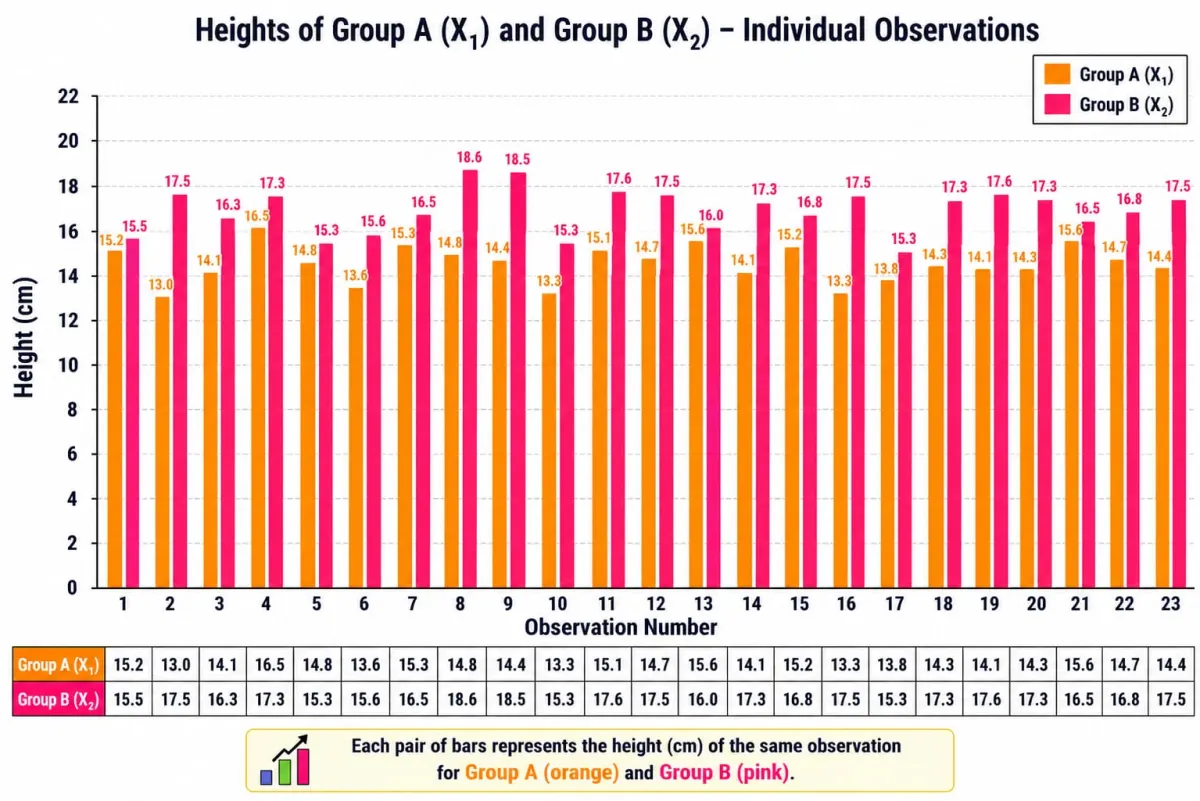
The difference in final plant height was statistically highly significant. The reported mean height was 14.98 ± 0.96 cm in the control group and 16.37 ± 0.78 cm in the Silicea 6X group (t = 5.394, df = 44, p < 0.001).
Final leaf count was also higher in the Silicea 6X group, with a reported mean of 16.48 ± 0.93 compared with 14.98 ± 0.96 in the control group (t = 5.40, df = 44, p < 0.001).
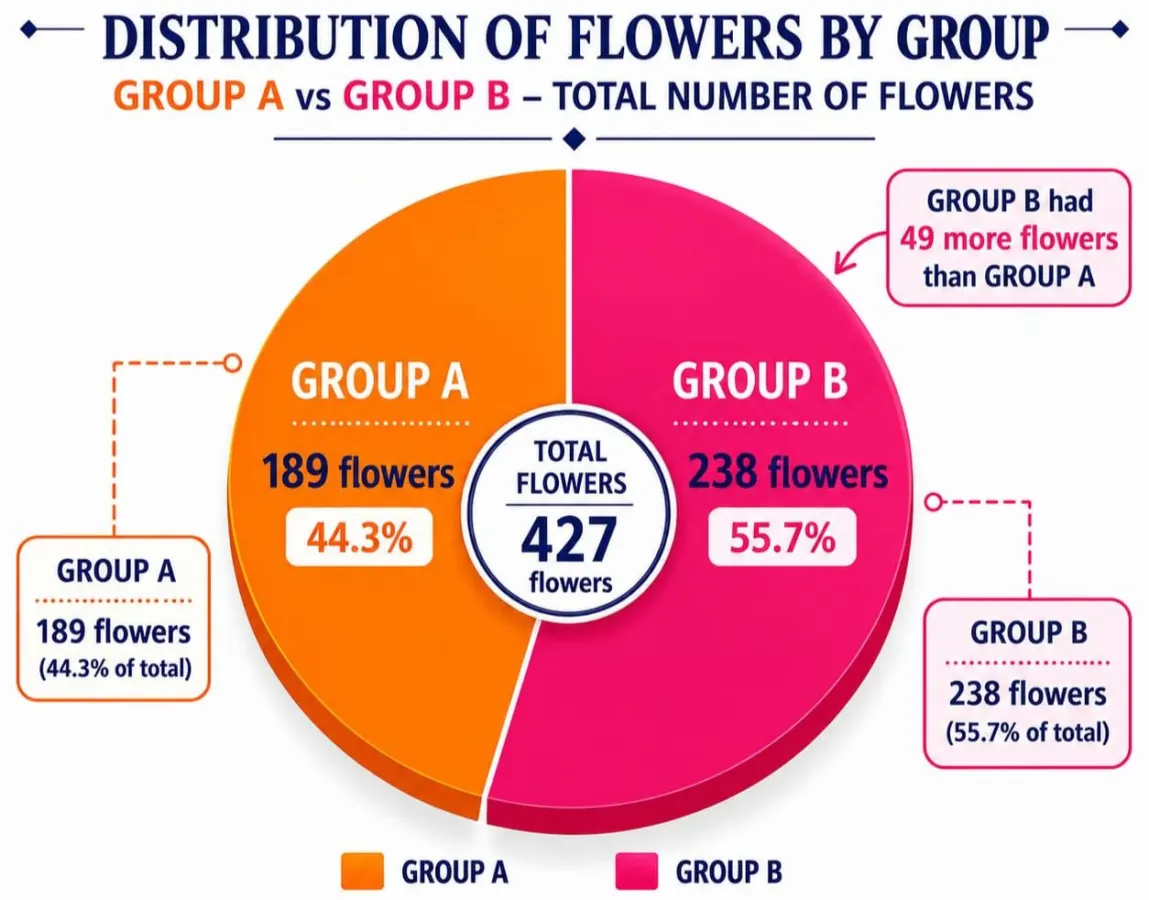
Cumulative flower production at the end of the study was 189 flowers in the control group and 238 flowers in the Silicea 6X group. The thesis reported a statistically significant difference between groups (t = 3.73, df = 44, p < 0.001).
The thesis further reported that flowering began from 22nd Feb 2026 in the Silicea 6X group and 25th Feb 2026 in the control group, indicating an earlier onset of flowering in the study group.
The present randomized controlled experimental study found that marigold plants receiving Silicea 6X showed greater final plant height, greater final leaf count and higher cumulative flower production than plants receiving the control method. These findings are directionally consistent across the main outcomes assessed in the thesis.
The observed difference in plant height suggests better vegetative development in the Silicea 6X group under the specific cultivation conditions used. The increase in leaf count provides a second indicator of vegetative development. Because leaf production is closely related to canopy development, the concurrent increase in height and leaf count supports the thesis interpretation of comparatively greater vigor in the experimental group.
Figure 1: Graphical Representation of Comparison between Final Heights-per plant.
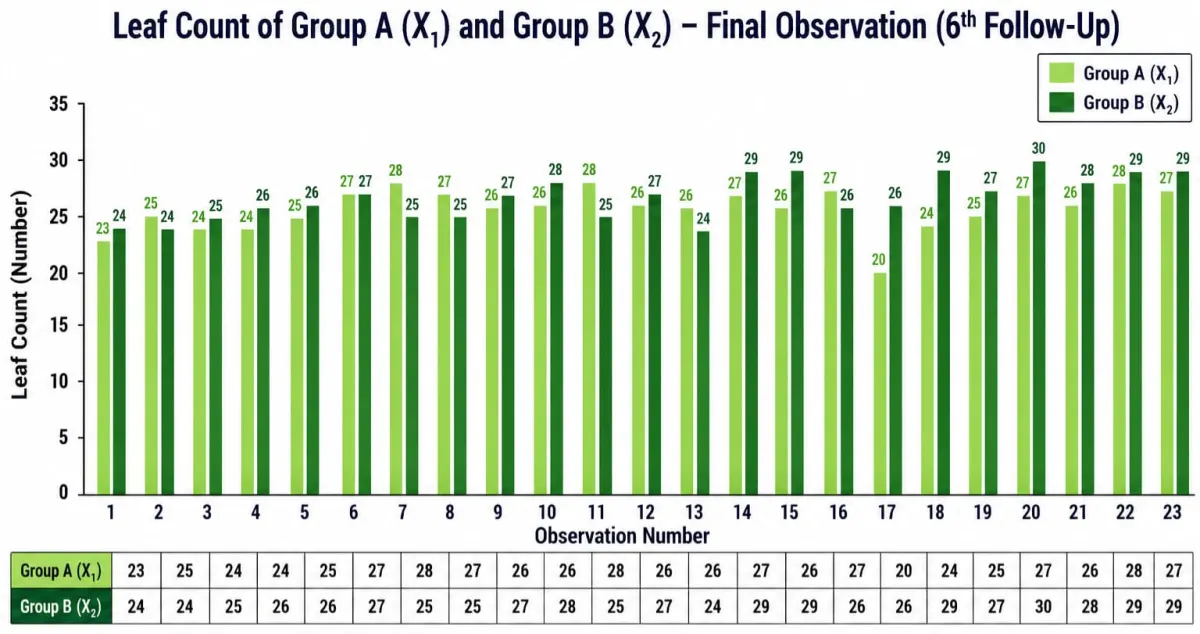
Figure 2: Graphical Representation of Comparison of Leaf count (6th follow-up) - per plant
The flowering findings are particularly relevant for marigold because flower number is a major practical outcome in ornamental and commercial cultivation. The Silicea 6X group produced 238 flowers compared with 189 in the control group, and the thesis reported earlier flowering in the experimental group. Experimental reports in the broader agro-homoeopathy literature have also described investigations of plant growth and flowering, although the evidence base remains limited and heterogeneous.1, 2
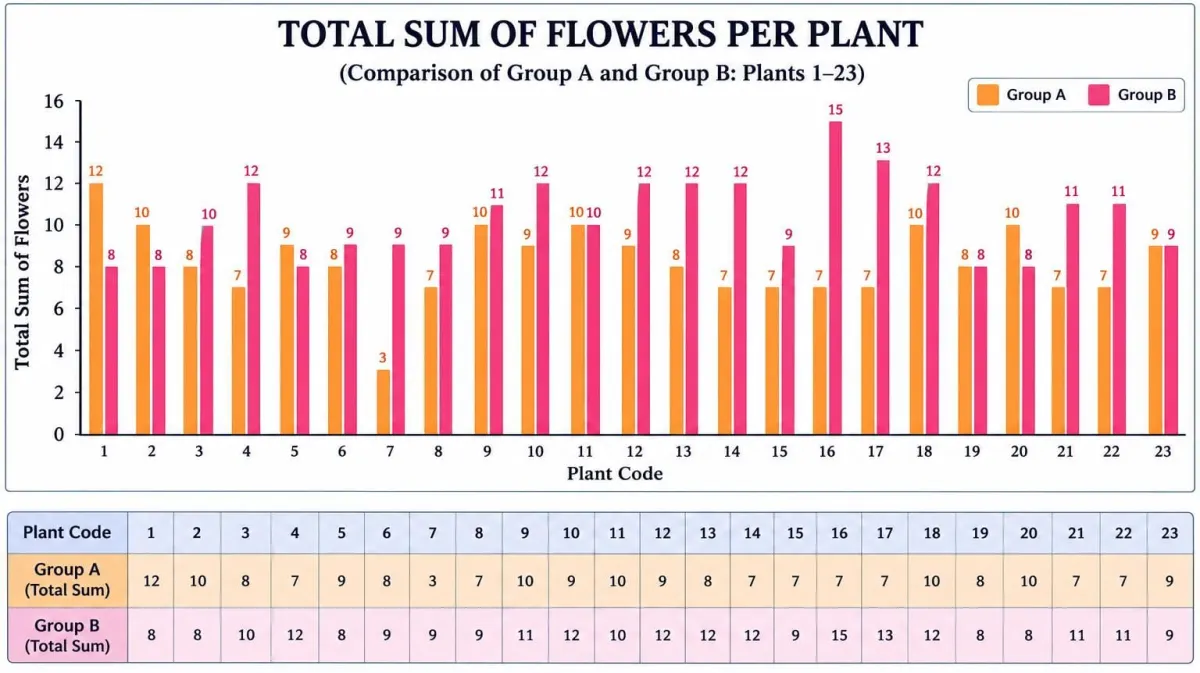
Figure 3: Graphical Representation of Comparison of total flower count- per plant.
 The mechanism responsible for the observed differences cannot be established from the present experiment. The thesis itself notes that physiological and biochemical mechanisms were not measured. Therefore, the findings should be interpreted as an experimental association under the conditions studied rather than proof of a specific biological mechanism attributable to Silicea 6X.
Figure 4: Pie Diagram representing cumulative flower production of both groups.
The study has several strengths, including random allocation, equal group size, matched cultivation conditions and repeated observation of plant growth. However, the limitations are important. The sample size was 46 plants, the experiment covered one experimental cycle, and observations were made under one soil type and a specific set of environmental and cultivation conditions. Weather variability, high temperature, evaporation, occasional lodging or flower-stalk breakage and the need for careful uniform application were also reported as practical challenges.
Future studies should use larger sample sizes, multiple independent experimental cycles, predefined primary outcomes, stronger allocation concealment where feasible, and additional measurements such as biomass, chlorophyll, nutrient uptake and biochemical markers. Replication across soil types and environmental conditions would help determine the reproducibility and external validity of the observed findings.
Soil application of Homoeopathic Biochemic remedy Silicea 6X showed statistically significant results than conventional cultivation in promoting vegetative growth, improving leaf development, encouraging earlier flowering, and increasing the overall flower yield of Tagetes erecta.
9. References